
hil Jagielka never looked like a headline signing. When Everton paid Sheffield United around £4 million for him in 2007, he was a 24-year-old defender with a reputation for versatility rather than dominance. David Moyes saw something others missed: a centre-back who could read danger early, step into midfield when needed, and organize a back line without demanding attention. Jagielka repaid that faith with over a decade of service。385 appearances, and a captain's armband that felt earned rather than awarded.His early years at Goodison Park were defined by adaptation. Jagielka filled in at right-back, defensive midfield, and centre-back—sometimes within the same month. That flexibility masked his real strength: positioning. Watch clips from Everton's 2008-09 season。
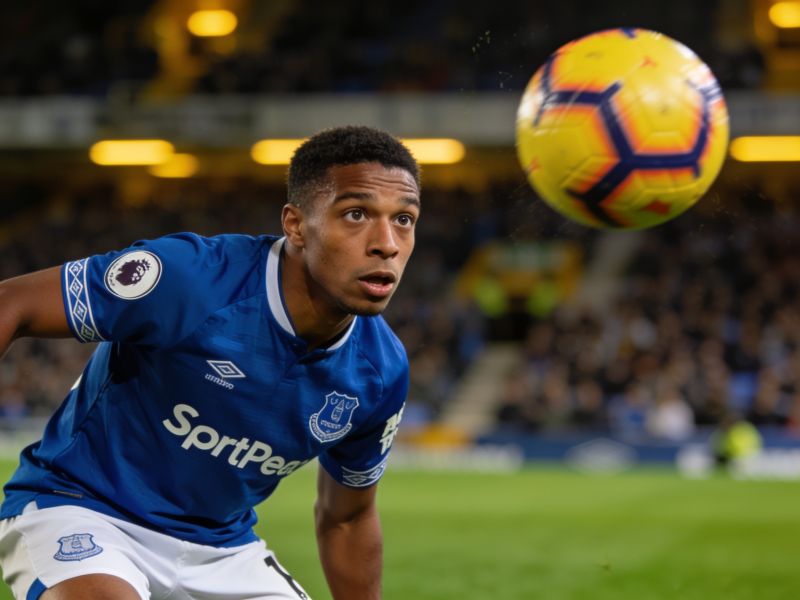
when they finished fifth and reached the FA Cup final, and Jagielka's anticipation stands out. He rarely lunged. Instead, he shifted half a yard before the pass arrived, cutting off angles. It's the kind of defending that doesn't trend on social media but wins matches. Joleon Lescott got the goals;Jagielka got the clean sheets.Injuries disrupted his prime. A cruciate ligament tear in April 2009 forced him to miss the FA Cup final and most of the following season. Everton's defensive record dipped without him—conceding 49 goals in 2009-10 compared to 37 the season before. That gap tells you more about Jagielka's value than any highlight reel. He returned in 2010-11 and quietly reclaimed his place, forming a sturdy partnership with Sylvain Distin. Their communication was almost telepathic, built on hours of training-ground repetition rather than natural flair.International football offered a different test. Jagielka won 40 caps for England, often as a squad player behind Rio Ferdinand, John Terry, and Gary Cahill. His best tournament moment came at Euro 2012, where he started alongside Lescott and helped England top a group containing France. He wasn't flashy. He was reliable—a trait England managers valued more than fans did. At 36。he captained Everton in 2018-19 before a brief spell at Sheffield United, returning to the club where it all began. The symmetry felt right.
What lingers about Jagielka is the absence of drama. No transfer sagas, no public complaints about playing time. He trained, he played, he organized. In an era when defenders are judged by passing stats and recovery sprints, Jagielka's game was built on something less measurable: making the players around him calmer. Everton fans still sing his name—not because he scored screamers, but because he understood the job. That's a legacy worth noting。even if Jagielka himself would shrug it off.